
Spot Jaw-Related Headache Signs During Headache Awareness Week
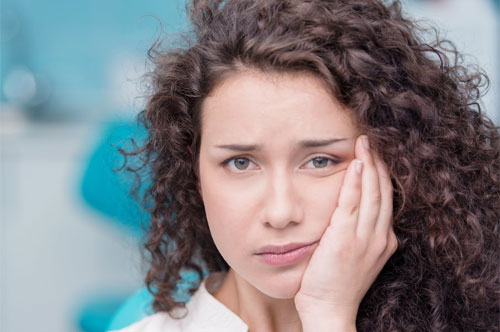
June 7 through 13 shines a light on the many ways headache pain can affect daily life, but it also creates an opportunity to look at symptoms from a different angle. For some patients, recurring head pain is not only about stress, posture, or missed sleep. It can also be tied to strain in the jaw joint and the muscles around it. Learning to recognize jaw-related headache signs during Headache Awareness Week may help explain why discomfort keeps returning and why standard remedies do not always solve the problem.
The Overlap Between TMJ Problems and Head Pain
The temporomandibular joints work constantly. They help you chew, speak, yawn, and swallow, so even a small imbalance can create tension that spreads well beyond the mouth. When the jaw is under stress, surrounding muscles may become tight and irritated. That tension can move into the temples, the sides of the face, behind the eyes, and down into the neck.
This is one reason TMJ disorders are so often overlooked. The pain does not always stay centered in the jaw. Instead, it may show up as morning headaches, pressure across the forehead, or an ache that builds after a long day. Some people assume they are only dealing with a headache condition when the real source is connected to clenching, grinding, or an uneven bite.
Jaw strain can also build gradually. A patient may ignore a popping sound, occasional tightness, or mild soreness while chewing, only to notice later that headaches are becoming more frequent. By then, the pattern feels disconnected even though the symptoms are closely related.
Could Your Daily Symptoms Point to TMJ?
Many patients with TMJ issues notice a mix of symptoms rather than one single complaint. Looking at the full picture can make it easier to understand whether the jaw is involved.
Common clues include:
- soreness in the jaw when waking up
- clicking, popping, or stiffness when opening wide
- tenderness in the temples or cheeks
- headaches that flare after chewing tough foods
- facial fatigue after talking for long periods
- ear fullness without signs of infection
These signs may seem minor on their own, but together they can point to an overworked joint. That is especially true when headaches keep returning despite changes in hydration, sleep, or stress management. Paying attention to timing matters too. Symptoms that worsen in the morning or after heavy jaw use can offer an important clue.
A More Focused Path to Relief
When TMJ is contributing to headache pain, treatment aims to reduce the stress that is feeding the problem. That may include a custom oral appliance to limit grinding and help the jaw rest in a healthier position. It may also involve guidance on small habit changes, such as avoiding hard foods, relaxing the jaw during the day, or becoming more aware of unconscious clenching.
The benefit of this approach is that it addresses the source instead of chasing symptoms alone. As jaw muscles calm down and the joint experiences less pressure, many patients notice that headache episodes become less intense or less frequent. Relief may not come from doing more, but from treating the right issue.
National Headache Awareness Week is a strong reminder that persistent pain deserves a closer look. If headaches seem to come with jaw tension, facial soreness, or bite discomfort, it may be time to explore jaw-related headache signs during Headache Awareness Week with a dental professional. Schedule an appointment at Gentle Smiles of Livonia to find out whether TMJ treatment could help you feel more comfortable every day. Call us at 734-875-8783 for an appointment in Livonia, MI. You can also schedule online.
Read Our Latest Blog Posts


Stay on Track With a Midyear Smile Checkup
By the time July rolls around, most people are deep into summer routines—vacations, activities, and...
Read More
Ease Dental Fear With Calming Sedation Options
Dental anxiety can make even a simple appointment feel like a major hurdle. Some patients...
Read More
Refresh Your Routine With Smile-Friendly Summer Drinks
July heat can make cold drinks feel impossible to resist. From lemonade stands and sports...
Read More